How Does Art Restoration Work and Why It Matters
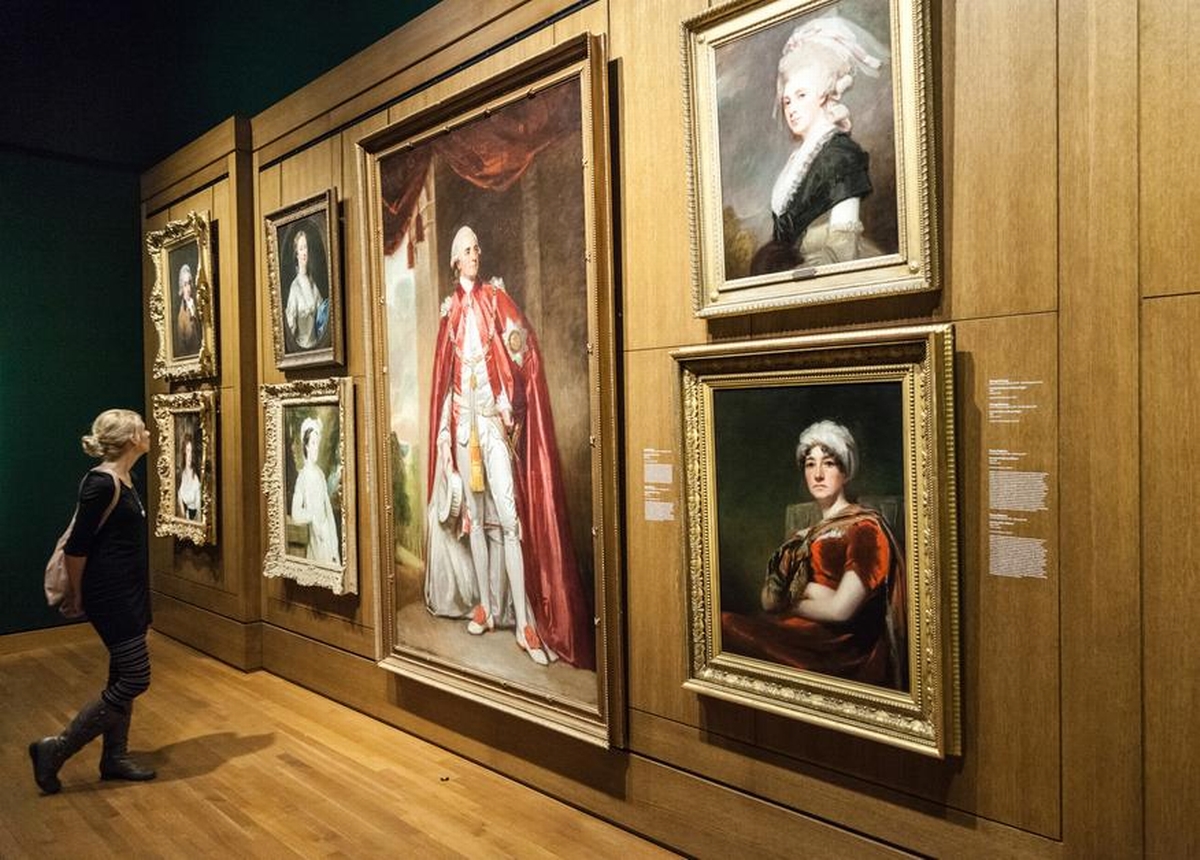
Art speaks a universal language, transcending cultural and temporal boundaries, yet its physical form is susceptible to the wear and tear of time. This raises a critical question: how does art restoration work? Understanding the intricacies of art restoration is vital for preserving cultural heritage and ensuring that future generations can enjoy the timeless beauty of these works. Whether it's an emergency restoration in Columbus and its nearby areas or an iconic painting in a world-renowned gallery, the processes involved are intricate, meticulous, and, most importantly, necessary.
Art restoration serves a dual purpose. Firstly, it extends the lifespan of artwork by repairing damage caused by factors such as temperature fluctuations, humidity, pollution, and human interaction. Secondly, it revitalizes artwork, maintaining its aesthetic and historical value. For a restoration professional, these tasks require a unique balance of scientific knowledge, artistic skill, and historical sensitivity. As we delve deeper into this process, it becomes clear why trusted experts like CRDN lead the field of preservation and restoration.
The Intersection of Science and Art
Art restoration is where science meets creativity. Restorers use an array of scientific methods to assess the condition of a piece and determine the best course of action. This often begins with a thorough examination using X-rays, ultraviolet light, and infrared reflectography, which reveal hidden details about the artwork's material composition and underlying sketches. Understanding how art restoration work begins with recognizing these technological applications.
For example, pigments and materials are analyzed to see if they match those used during the time the art was created. This helps ensure that any restorative work will harmonize with the original. The process often includes using solvents to clean the surface carefully, removing accumulated dirt or varnish without damaging the original paint layer. It's a scientific art form, a delicate dance between preservation and enhancement.
Cleaning and Repair Techniques
Restorative cleaning is one of the most essential yet challenging aspects of art restoration. It involves removing years or even centuries of accumulated grime and previous restoration attempts that may have turned yellow or dark over time. The cleaning must be gentle enough to preserve the integrity of the original paint but effective enough to reinstate the artwork's original vibrancy.
After cleaning, restorers address any physical damage. This can range from repairing tears in canvases to filling in missing paint. They might employ micro-tooling techniques, like using fine brushes and modern tools to reapply pigments that match the original palette closely, an essential step when answering how art restoration work is done. Challenges arise in ensuring that such repairs remain reversible, aligning with the ethical practices of the restoration industry.
The Role of Reversibility
Reversibility is a cornerstone of modern art restoration philosophy. The idea is to ensure that any restoration work done on an artwork can be undone in the future. This principle respects the integrity of the original artwork and accommodates future advancements in technology and restoration techniques.
Restorers typically use materials that will not cause any lasting change to the original materials of the artwork. This may involve using synthetic resins or reversible adhesives, allowing future restorers to reverse or improve upon current techniques as new methods are developed.
Why Art Restoration Matters
Preserving art is about more than maintaining beauty. It's about safeguarding history, culture, and identity. Artworks serve as cultural documents that offer insights into the past - how people lived, their values, and their aesthetics. Art restoration ensures that these discussions between the past and the present can continue.
For individuals in Columbus, emergency restoration is critical for both personal belongings and cultural pieces. Understanding the importance of art restoration becomes even more pronounced. Many local organizations and museums rely on restoration to maintain valuable pieces that contribute to community pride and historical education.
Challenges Facing Art Restoration
Art restoration is not without its hurdles. Environmental factors are a constant threat. Climate change, with its increasing temperatures and humidity, presents new challenges for preserving artworks. Moreover, economic constraints often limit the scope and reach of restoration projects. There's also the ongoing challenge of balancing historical accuracy with modern restoration practices, which can sometimes lead to ethical debates within the field.
Additionally, as technology evolves, restorers contend with integrating new methods into traditional practices. Keeping up with advancements while maintaining fidelity to historical techniques is a sophisticated balancing act. Those involved in commercial contents restoration in Columbus integrate these challenges into their broader service offerings, ensuring that artworks and everyday objects are both preserved effectively.
Restoration in the Digital Age
The digital age introduces new opportunities and challenges for art restoration. Digital imaging and 3D printing technologies are being used to create detailed replicas and assist art restorers in visualizing potential restoration outcomes before making irreversible decisions on the original piece.
Digital platforms also allow for the sharing of knowledge across borders, providing restorers with access to global databases of pigment compositions, artistic styles, and historical contexts. This connectivity enhances the precision and context of restoration efforts, making the procedures more informed and effective.
The Future of Art Restoration
As art restoration continues to evolve, collaboration between conservators, scientists, historians, and artists will become increasingly essential. The future of art restoration will likely see more integration of digital technology and cross-disciplinary cooperation, which will enhance accuracy and broaden methodological approaches.
Moreover, community involvement and education about art preservation will help raise awareness of its critical importance. Encouraging local participation in art conservation efforts can foster a deeper appreciation for cultural heritage, driving forward community-centric restoration initiatives.
Given the dynamic nature of art restoration, CRDN is poised to incorporate these advancements into its service offerings, providing not only emergency restoration in Columbus but also top-notch commercial contents restoration.
Embracing Art's Timelessness
Ultimately, art restoration is a celebration of human creativity and resilience. Engaging in restoration efforts signifies an appreciation for not just what art is, but for its continuing impact on society. As a part of this narrative, organizations and individuals committed to this cause stand as custodians of culture, bridging the past with the present for future generations to admire.
If you value the preservation of cultural artifacts and have pieces that might benefit from professional care, consider reaching out to CRDN's expert team. Let their dedication to restoring and preserving art enrich your environment, offering solutions that are as expert as they are compassionate.