How to Restore Water-Damaged Wood and Prevent Further Damage
Water damage is a common and frustrating issue that can affect wood structures and furniture. Whether it's a cherished wooden table or your hardwood flooring, the wrong amount of moisture can lead to warping, rotting, and unsightly blemishes. Addressing these problems promptly can save you time, money, and stress while reintroducing beauty and stability to your home. Fortunately, companies specializing in restoration cleaning in Columbus can provide assistance, helping you restore water-damaged wood and giving insights into preventing future damage.
In this comprehensive guide, we'll explore the critical steps to restoring water-damaged wood, along with preventative measures to protect your wooden surfaces moving forward. Understanding these principles will empower you to take practical action, maintaining the longevity and appearance of your woodwork with confidence.
Understanding the Effects of Water on Wood
Water and wood can have a tumultuous relationship, often leading to structural and aesthetic problems. Understanding how water impacts wood is the first step to dealing with issues effectively. When wood absorbs moisture, it can swell, lose its form, and even foster mold growth. These changes can happen quickly, making immediate action imperative.
Types of Water Damage
Water damage can come in various forms based on the water source, environmental conditions, and type of wood involved. Clean water from a broken pipe might seem less harmless compared to sewage or floodwater, which may contain harmful contaminants. The type of wood also plays a role in how damage manifests. Softer woods might warp more easily, while hardwoods could show surface cracks or stains without immediate intervention using contents restoration services in Columbus and its nearby regions.
In severe cases, water damage can cause the wood to rot, weakening its structure and shortening its lifespan. Untreated and unnoticed, this type of damage can lead to costly repairs or replacements, making it vital to monitor and address any signs of water exposure.
Steps to Restore Water-Damaged Wood
Successfully restoring water-damaged wood requires following a structured approach to mitigate the effects of moisture. The key is swift, decisive action using the right tools and techniques.
- Identify and Stop the Source of Water: Before addressing the damage, ensure that you identify and halt the source of the water. This might involve turning off a leaking pipe or covering a structural breach in your home. Without solving the root cause, any restoration efforts might be in vain.
- Dry Out the Affected Area: Use fans, dehumidifiers, or professional-grade drying equipment to remove excess moisture from the wood. The faster the drying process begins, the less the wood will warp or incur mold.
- Assess the Damage: Examine the wood to assess the severity of damage. Check for signs of warping, staining, or rot. This step will help determine whether simple refinishing will suffice or if more extensive treatment or replacement is necessary.
- Clean and Treat the Wood: Clean the affected wood using a mixture of mild soap and water, gently scrubbing away any surface stains or mold. If mold is detected, apply a specialized cleaner to eradicate spores.
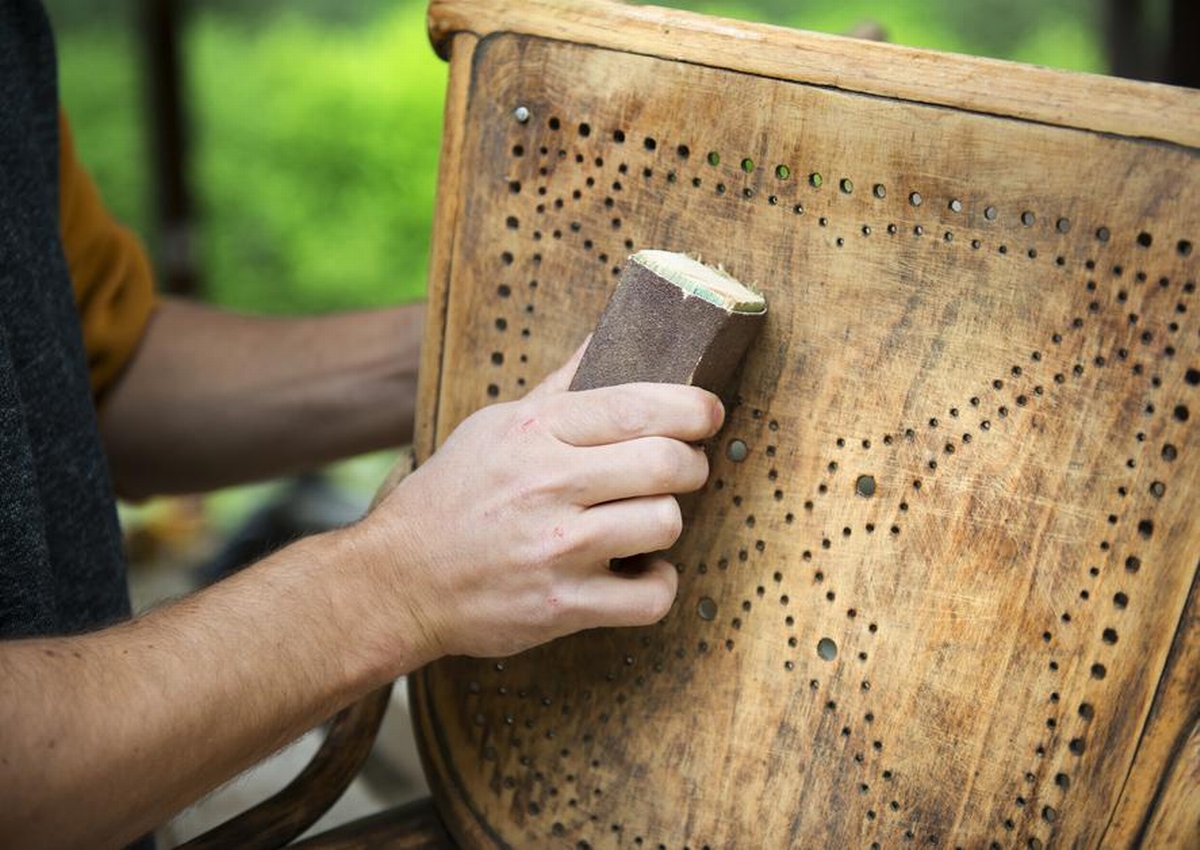
- Sand and Refurbish: Use sandpaper to smooth out any unevenness or stains on the wood surface caused by the water. Follow up with a sealant or wood finish to restore its appearance and protect it from future moisture exposure.
- Replacement: If restoration is not feasible due to extensive damage, consider replacing the wood. Consult with professionals for contents restoration services in Columbus to ensure the best match for your existing decor and needs.
Preventative Measures
Prevention is always better than cure, especially when it comes to preserving the integrity and beauty of your wood surfaces. Implementing a few simple preventative strategies can greatly reduce the risk of water damage in the future.
- Seal Gaps and Cracks: Ensure that all vulnerable areas of your wooden surfaces, such as seams in hardwood flooring, are properly sealed to prevent water from seeping in.
- Regular Maintenance: Inspect your home for signs of leaks or water exposure, particularly in kitchens, bathrooms, and basements, where water contact is more frequent.
- Controlled Humidity: Use dehumidifiers in areas prone to high humidity, as excess moisture in the air can also contribute to water damage in wood.
- Professional Inspection: Schedule regular inspections with experts specializing in water damage restoration to identify potential issues before they become significant problems.
- Protective Coatings: Apply water-repellent sealers on exposed wooden surfaces. This layer acts like a barrier, minimizing the amount of moisture the material can absorb.
Act Now to Protect and Restore Your Investment
Restoring water-damaged wood requires diligent efforts and effective strategies. Proper restoration not only revives the aesthetic appeal of the wood but also prolongs its life. By being proactive and attentive, you can minimize the impact of water damage and maintain beautiful, stable wood surfaces throughout your home.
To tackle water damage effectively and safeguard your investment, consider engaging contents restoration services in Columbus. CRDN offers a comprehensive suite of services and expertise in Columbus and the surrounding areas, ensuring your home or business’s wood and contents regain their original splendor swiftly and safely. For further assistance with restoring water-damaged wood or any other restoration needs, do not hesitate to reach out to CRDN for professional support and care tailored to your specific situation.